All about Lower Back Pain & Recovery
(Fundamentals)

If you’ve never had lower back pain, you must be either very young or fortunate. It’s highly debilitating, and at times painful – almost to the point of paralysis.
The only type I truly know about is the Lower Back Pain that I had. A result of a sudden and unexpected tear to a lower back muscle when I was in my early thirties – a result of me racing my friend across a swimming pool and trying to jump out quickly by swinging my legs up and over – a big clunk, and that was it. I couldn’t even get dressed without his help, and when I was back at home, I was flat on my back, calling the doctor. I never fully recovered from that.
Over the years, I have learned to control it and maintain my strength through multiple back exercises in the gym, along with several one-on-one sessions with a personal trainer with a degree in sports science – and wow, what a truly enlightening period of my life that was!
The best way to alleviate lower back pain is by using a carefully constructed exercise program that includes lightweight flexibility and relaxation exercises (e.g., swimming and walking) and highly controlled back exercises in the gym, using proper technique. The quickest way to destroy your back (apart from jumping off a high building) is to lift weights with bad technique. The fastest way to fix and strengthen your back (assuming the injury is not too severe) is to lift weights with perfect technique. This one factor (among a few others) was highly influential on me—and inspired me to create the Mojoh Method.
A Vicious Circle
The human spine contains nerves that carry pain signals to the brain. When a small to medium-sized impact injury occurs near the spine, swelling can press on the spinal nerves, causing pain. The lower back is the most vulnerable part of the spine because it is midway along the body.
Once you have a problem with your lower back, it is tough to put it right again – why?
The injury causes swelling, which in turn increases pressure and pain. This leads to sleep loss in the patient and, in turn, makes it difficult for them to relax, causing them to become tense and irritable. This increased tension, stress, and tiredness quickly weakens the lower back even further, as tired muscles take longer to heal, and thus the pain and swelling intensify.
The whole cycle continues to get worse until the patient finds it hard to do anything at all except lie flat on their back. Many will resort to strong painkillers or other drugs, such as alcohol, which can also disrupt the sleep cycle, causing further stress and discomfort. So what can you do if this happens to you?
Breaking the Circle
Remove as much stress from your life as possible, and engage in gentle exercise whenever feasible. Walking in the fresh air is ideal, as it gently massages the lower back with natural movements and promotes sleep, which you may be losing. You should also try gentle back stimulation in a swimming pool or consider a qualified sports massage or physiotherapy session, all of which are geared to help you relax and regain some flexibility.
To summarise, in the order you should do these things – walking and remove stress, jacuzzi, massage, physiotherapy, swimming pool, much longer walks, and more of all this stuff until you feel better able to cope with the lower back pain. Not everyone will be fortunate enough to have access to all of these facilities and professionals, but you should strive to engage in as many of these activities as possible. Remove stress, increase localized circulation, and relax.
That is the first thing to do, and you should not attempt anything else until you feel you are ready for something a little more energetic. Once you are more relaxed and free of the initial phase of locked-up rigidity, you can begin introducing light weights and stretches specifically for the lower back.
Then, head to a gym and start following the Mojoh Method, with extra emphasis on the Pilates, Back, and Shoulder sessions. Start very slowly and use ultra-light weights. If in doubt about any exercise, skip it and move to the next exercise in the sequence. You may experience some discomfort with one or more of the exercises, and only you (perhaps in consultation with your doctor or under the guidance of a personal trainer) can decide whether to continue or stop. But please do try. Go slowly, carefully, and in control. Concentrate hard on your technique in everything you do.
Honest hard work in the gym, or pay out big money for potentially risky pharmaceuticals and operations?
Ultimately, this is a personal decision. Sometimes, a person has no option due to the severity of their medical condition. I have helped many people to fix themselves, and I have also helped myself. I firmly believe that many people can be significantly helped, or even completely transformed, by adopting the techniques I have described above.
Would you like me to show you how? Start improving right now with my online consultancy skills.
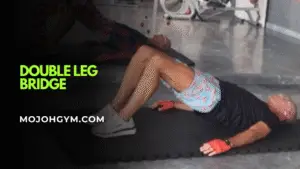
3 examples of great Pilates exercises for strengthening back muscles and alleviating Lower Back Pain: